



12 Proven Ways to Reduce Indoor Air Pollution at Home

12 Proven Ways to Reduce Indoor Air Pollution at Home
Many people assume the air inside their homes is cleaner than outdoor air, but that is not always true. Dust, smoke, allergens, PM2.5 particles, poor ventilation, and indoor pollutants can build up over time and affect indoor comfort. This is why more people are searching for ways to understand how to reduce indoor air pollution.
Modern homes often remain closed for long hours due to air conditioning and limited natural ventilation. As a result, airborne pollutants may continue circulating across bedrooms, living rooms, kitchens, and workspaces.
Improving indoor air quality requires a combination of better ventilation, filtration, monitoring, and cleaner daily habits.
At BreatheEasy, the focus remains on helping homes and businesses improve indoor air quality through advanced indoor air quality solutions and air purification expertise.
Common Sources of Indoor Air Pollution
Indoor pollution can come from many sources.
Common contributors include:
• Dust accumulation
• PM2.5 particles
• Cooking smoke
• Household chemicals
• Poor ventilation
• HVAC contamination
• Smoke and odors
• Outdoor pollution entering indoors
Understanding pollution sources is the first step toward improving indoor air quality.
1. Improve Ventilation
Fresh air circulation helps reduce stale indoor air and improves airflow balance.
Simple ways include:
• opening windows when outdoor air is cleaner
• using exhaust systems
• improving airflow pathways
Better ventilation helps dilute indoor pollutants.
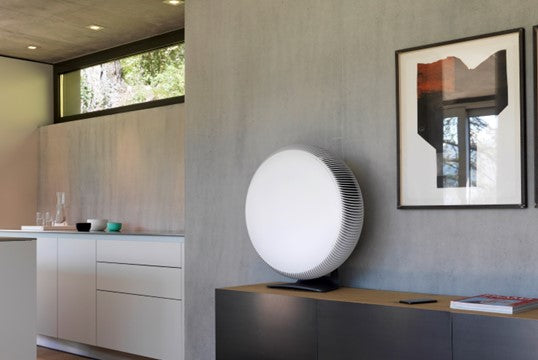
2. Use a High Quality Air Purifier
Air purifiers help reduce airborne particles such as dust, allergens, and PM2.5.
Look for systems with:
• HEPA filtration
• strong airflow
• proper room coverage
• smart AQI monitoring
This is one of the most effective ways to improve indoor air quality.
3. Monitor Indoor Air Quality
You cannot improve what you cannot measure.
Air quality monitoring helps track:
• PM2.5
• AQI
• carbon dioxide
• humidity
• temperature
Real time data helps you make better indoor air decisions.
4. Maintain HVAC Hygiene
Dirty HVAC systems may circulate dust and pollutants indoors.
Regular HVAC hygiene helps:
• improve airflow
• reduce dust buildup
• support cleaner circulation
• improve filtration efficiency
5. Reduce Dust Accumulation
Dust buildup contributes significantly to indoor pollution.
Reduce dust by:
• regular cleaning
• vacuuming
• dust control practices
• maintaining clean surfaces
6. Control Indoor Humidity
Balanced humidity helps maintain a more comfortable indoor environment.
Excess humidity may affect indoor comfort and air freshness.
Monitoring humidity levels helps maintain better indoor conditions.
7. Minimize Smoke Exposure
Smoke from cooking or other indoor activities can increase indoor pollution quickly.
Reduce smoke buildup using:
• kitchen exhaust
• better ventilation
• air purification
8. Choose Low Emission Products
Some household products release airborne pollutants.
Examples include:
• cleaning chemicals
• paints
• fragrances
• synthetic materials
Choosing low emission alternatives helps reduce indoor pollution sources.
9. Clean Air Filters Regularly
Dirty filters reduce filtration efficiency.
Regular maintenance helps improve:
• airflow
• purification performance
• system efficiency
Follow filter replacement schedules properly.
10. Reduce Outdoor Pollution Entry
Outdoor pollution can easily enter homes through:
• windows
• doors
• ventilation gaps
• HVAC systems
Managing entry points helps reduce indoor pollution load.
11. Improve Kitchen Ventilation
Cooking can generate fine airborne particles and odors.
Kitchen exhaust systems help remove:
• smoke
• grease particles
• airborne pollutants
This improves overall indoor air freshness.
12. Create a Complete Indoor Air Strategy
The best results come from combining multiple approaches:
• air purification
• ventilation
• air quality monitoring
• HVAC hygiene
• pollution source control
This creates a healthier and cleaner indoor environment.
Why Indoor Air Quality Matters
People spend a significant amount of time indoors every day.
Poor indoor air quality may lead to:
• stale indoor air
• dust accumulation
• poor comfort
• increased pollutant exposure
Cleaner indoor air supports fresher and more comfortable living spaces.
Why Choose BreatheEasy
BreatheEasy provides advanced indoor air quality solutions for homes, offices, healthcare facilities, and commercial environments.
BreatheEasy Air Quality Specialists help improve indoor environments through:
• Indoor air quality testing
• HVAC hygiene solutions
• Air quality monitoring services
• Commercial IAQ solutions
• Air purification consultation
• Healthy indoor environment solutions
BreatheEasy continues focusing on sustainable and healthier indoor air solutions.
Frequently Asked Questions
What causes indoor air pollution?
Indoor air pollution can be caused by dust, smoke, poor ventilation, chemicals, and outdoor pollution entering indoor spaces.
How can I reduce indoor air pollution naturally?
Improving ventilation, reducing dust, and controlling pollution sources can help naturally reduce indoor air pollution.
Do air purifiers help reduce indoor pollution?
Yes, high quality air purifiers help reduce airborne particles and improve indoor air quality.
Why is air quality monitoring important?
Air quality monitoring helps identify pollution levels and supports better indoor air management.
Can HVAC systems affect indoor air quality?
Yes, poorly maintained HVAC systems may circulate dust and pollutants indoors.